






Navigating Business Rates and Holiday Lets in England
Introduction
If you have a holiday home and you let it to guests during the year, the value of your property might mean you get business rates, not council tax.
Many people who own homes do not know that renting out their place for a short time can count as a self-catering accommodation business. This means they may get business rates, and they could even pay less in tax.
As a holiday home management agency, we help owners learn how the system works. We also help owners know if their property fits the rules.
In this guide we explain:
- The difference between council tax and business rates
- When a holiday let can get business rates
- How you figure out business rates
- How Small Business Rate Relief can help cut down your tax bill
Knowing how the holiday let business rates system works in the UK can help people who have property to manage it better. This can also help to lower their yearly costs.
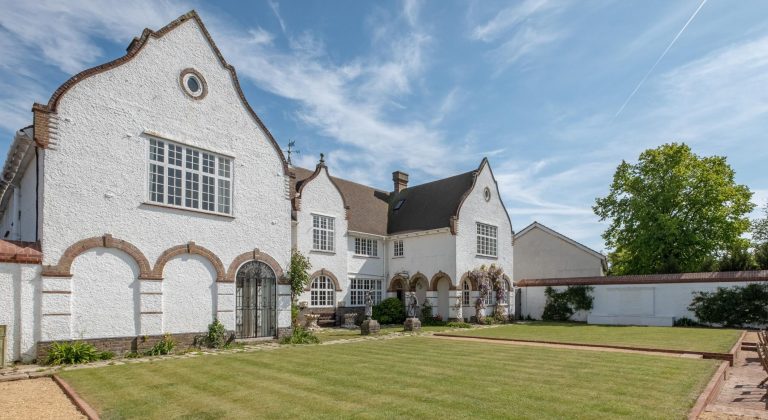
Do Holiday Lets Pay Business Rates or Council Tax?
Holiday homes in England can be taxed in two different ways. It depends on how you use the property.
Council Tax
If you use the property as a second home or as a place to go for holidays, you will usually have to pay council tax on it.
Business Rates
If the property is run as a short-term rental business, then it can be listed for business rates instead.
Holiday lets that are on the non-domestic rating list are seen as self-catering places in the hospitality sector.
This category includes:
- Holiday cottages
- Airbnb properties
- Self-catering apartments
- Lodges and cabins
- Converted barns used as holiday rentals
Once the property has business rates, it is seen as a commercial accommodation business. It is no longer looked at as just a residential property.
When Does a Holiday Let Qualify for Business Rates?
To get business rates instead of council tax, a holiday home must meet two main rules set by the government.
The property must be:
✔ Available to let for at least 140 days per year
✔ To meet the rules, you must let your place for at least 70 days each year. This is very important for holiday home owners.
These rules make sure that only real holiday letting businesses can get business rates.
If a property does not reach these levels, it will still have to pay council tax instead.
For many holiday homes that are marketed really well and available year round, it is not hard to get 70 nights booked every year.
This is one reason why many owners like to work with a holiday let management agency. It can help you get more bookings and keep your property up to standard.
Why Many Holiday Let Owners Apply for Business Rates
One good thing about business rates is that you can get Small Business Rate Relief (SBRR). This is a type of business rate relief for small companies.
This relief can lower the business rates you need to pay. In some cases, it can even remove the whole business rates bill.
Small Business Rate Relief thresholds
| Rateable Value | Relief Available |
|---|---|
| Under £12,000 | 100% relief |
| £12,000 – £15,000 | Partial relief |
| Above £15,000 | Standard rates apply |
Many holiday cottages and self-catering places you can stay in for short periods are below these limits.
This means some people who own holiday lets might pay very little business rates or even no business rates at all. It depends on how much their property is worth.

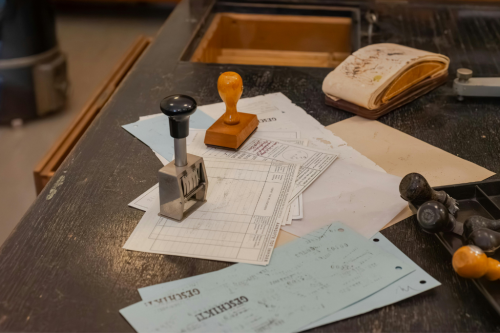
How Business Rates Are Calculated
Business rates are worked out by using a simple formula.
Rateable Value × Multiplier = Business Rates Bill
Knowing how this calculation works helps property owners understand how their tax is set.
Rateable Value
The Valuation Office Agency (VOA) is the one that sets the rateable value for shops and other business places.
For holiday lets, many people use something called the receipts and expenditure method. With this method, you look at:
- Estimated rental income
- Typical occupancy levels
- Operating costs
- Industry valuation formulas
This approach works out the yearly trading value of the property as a holiday accommodation business.
Business Rates Multiplier
The government sets a multiplier. This is used with the rateable value.
From April 2026, the way the multiplier system works changed a bit to show the differences between types of businesses.
The multiplier now varies depending on:
- The size of the property
- The sector it operates inSmaller businesses in hospitality, like many holiday lets, may get lower multipliers. These lower rates are there to help the tourism and accommodation sectors. It is very important to get legal advice so you can follow the rules.
Smaller hospitality businesses, like many holiday lets, might get help from lower multipliers. These lower rates are made to support the tourism and places to stay.
After you use the multiplier, any relief plans that you can get are added. These can lower the final bill a lot.
Example Business Rates Calculation
Example holiday cottage:
Rateable value: £10,000
Multiplier (example): 0.432
Calculation:
£10,000 × 0.432 = £4,320
But since the rateable value is less than £12,000, the property can get 100% Small Business Rate Relief. This means you may not have to pay business rate relief.
Final business rates payable:
£0
This is why many holiday lets have to pay very low business rates or sometimes do not pay them at all.
If you rent out your holiday home and it meets the rules of being available for at least 140 days and let out for at least 70 days, you may want to ask for business rates on it. This can help you avoid the second home council tax premium. Paying business rates instead means you do not have to pay the extra council tax premium for a second home.
Should You Apply for Business Rates?
If you rent out your holiday home and it meets the 140-day availability and 70-day letting rules, you may want to apply and have your property listed for business rates.
For many property owners this can provide:
- A better tax setup
- You may get access to Small Business Rate Relief
- It is easy to see this as a commercial accommodation business
However, it is good to keep records that show the actual booking activity. Sometimes, local authorities may ask you for proof.


How We Support Our Holiday Homeowners
As a holiday home management agency, we work to help property owners get the most out of their homes. We also make sure that all work is done in a good and professional way.
Our services help owners:
- Achieve steady occupancy levels
- Meet the 70-day letting rule
- Keep your business rates status
- Stay within the rules for holiday lets and short-term rentals
If you do not know if your property can get holiday let business rates, our team can help. We will be happy to guide you. We can show you how the process works for business rates.
Frequently Asked Questions
Do holiday lets pay council tax or business rates?
Holiday lets can pay council tax or business rates. It depends on how the property is used. If you have a holiday let that is open for 140 days in a year and people stay in it for 70 days, it may get small business rates relief. In this case, you may need to pay business rates instead of council tax. Small business rates relief may help holiday lets lower business rates.
What is Small Business Rate Relief for holiday lets?
Small Business Rate Relief helps lower business rates if the rateable value is under £15,000. If the property has a rateable value below £12,000, you may get 100% relief.
How are holiday lets valued for business rates?
Holiday accommodation is often valued with a receipts and expenditure method. This looks at how much rent you get and what it costs to run the place. Using this, you can find the property’s rateable value. This is the way they work out the rateable value for your holiday spot.
Can a second home be registered for business rates?
Only homes that are available to rent for at least 140 days and are actually rented for at least 70 days can get business rates. If a second home is not rented out most of the time, it will still have council tax instead of business rates.